

Complete Guide to Pool Water Chemistry in Tucson
Tucson’s desert climate creates unique challenges for pool owners. High evaporation rates, hard water, and intense UV exposure can turn crystal-clear water cloudy within days. Understanding pool water chemistry helps you maintain a safe, balanced pool year-round.
This guide explains the essential factors that keep your pool water clear and your equipment protected.
Why Water Chemistry Matters in the Desert
Tucson pools lose three to four times more water to evaporation than pools in humid climates. As water evaporates, minerals stay behind and concentrate. This creates scaling on tiles, cloudy water, and equipment damage.
Proper water balance prevents these problems. It also protects swimmers from skin irritation and waterborne bacteria. When weekly maintenance includes computerized testing, you catch problems before they become expensive repairs.
The Six Essential Chemical Factors
Most pool services test only chlorine and pH. That approach overlooks critical factors affecting water quality. A complete water analysis measures six components that work together.
pH Level
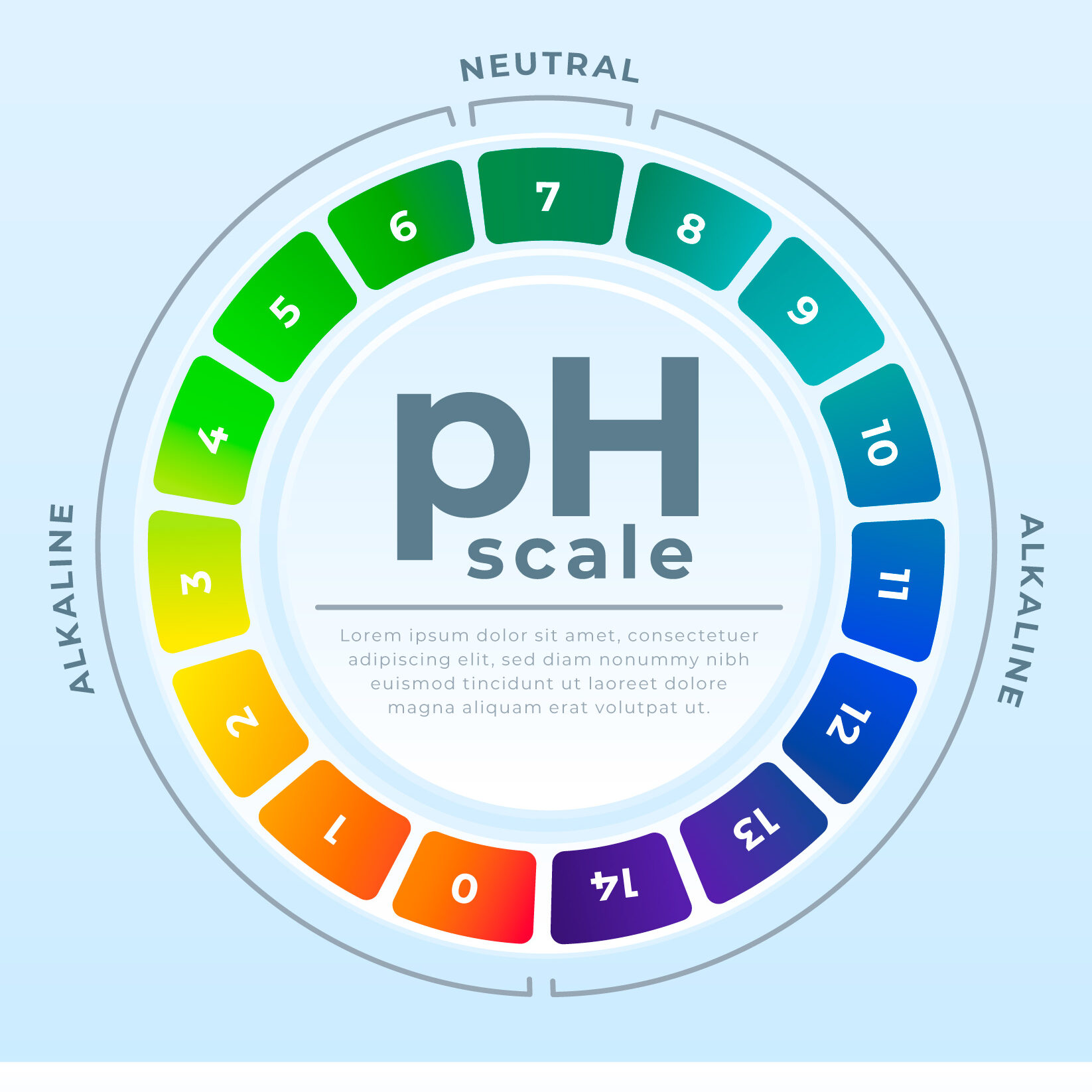
pH measures how acidic or basic your water is on a scale from 0 to 14. The ideal range is 7.4 to 7.6. Water below 7.0 becomes corrosive and damages equipment. Water above 8.0 causes scaling and reduces chlorine effectiveness.
Tucson’s hard water naturally pushes pH higher. Without regular testing, pH can drift into problem territory within a week.
Total Alkalinity
Alkalinity acts as a pH buffer. It prevents sudden pH swings that stress pool equipment and swimmers. The target range is 80 to 120 parts per million (ppm).
Low alkalinity causes pH to bounce wildly. High alkalinity makes pH difficult to adjust. Both conditions lead to water quality issues that require professional intervention.
Calcium Hardness
Calcium hardness measures dissolved calcium in your water. Tucson’s municipal water contains high calcium levels because it comes from wells and the Colorado River.
The ideal range is 200 to 400 ppm. Below 200 ppm, water becomes aggressive and etches plaster or grout. Above 400 ppm, calcium precipitates out and forms scale on tiles, equipment, and pool surfaces.
Many Tucson pools struggle with calcium scaling. Regular filter cleanings help manage mineral buildup, but proper water balance prevents scale formation in the first place.
Cyanuric Acid (Stabilizer)
Cyanuric acid protects chlorine from UV degradation. Tucson’s intense sunlight destroys unstabilized chlorine within hours. The recommended level is 30 to 50 ppm for traditional chlorine pools.
Too much stabilizer reduces chlorine’s sanitizing power. This happens when pool owners use stabilized chlorine tablets without testing cyanuric acid levels. Once levels exceed 100 ppm, the only fix is partial drain and refill.
Total Dissolved Solids
Total dissolved solids (TDS) include everything dissolved in your water—minerals, chemicals, and organic matter. As water evaporates, TDS increases.
When TDS exceeds 1,500 ppm above fill water, chemical effectiveness decreases. Water feels heavy or salty. The solution is partial drain and refill with fresh water.
Chlorine
Chlorine kills bacteria, algae, and organic contaminants. Free chlorine should measure 1 to 3 ppm. Combined chlorine (chloramines) should stay below 0.2 ppm.
Chloramines cause the “chlorine smell” people associate with pools. That smell means the pool needs more chlorine, not less. Proper water balance helps chlorine work efficiently.
Understanding the Saturation Index
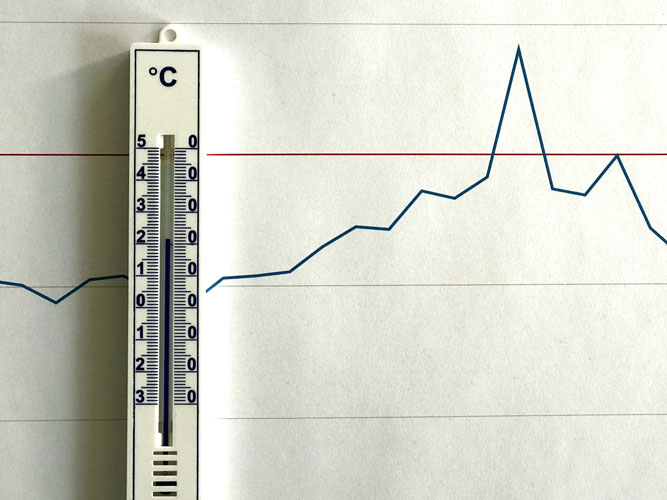
Testing individual chemical factors is important, but it’s not enough. These factors interact in complex ways. That’s where the saturation index comes in.
The saturation index (also called Langelier Saturation Index) combines pH, alkalinity, calcium hardness, temperature, and TDS into a single calculation. It predicts whether water will be corrosive, balanced, or scale-forming.
A negative index means corrosive water that damages equipment. A positive index indicates scale-forming water. The goal is an index between -0.3 and +0.3.
This calculation requires computerized analysis. Manual testing cannot account for all variables simultaneously. When professional pool services use electronic photometers and saturation index algorithms, they achieve near-perfect water balance at each visit.
Common Tucson Water Chemistry Problems
Cloudy Water
Cloudy water results from imbalanced chemistry, inadequate filtration, or environmental factors. High calcium levels combined with incorrect pH cause calcium carbonate to precipitate and cloud the water.
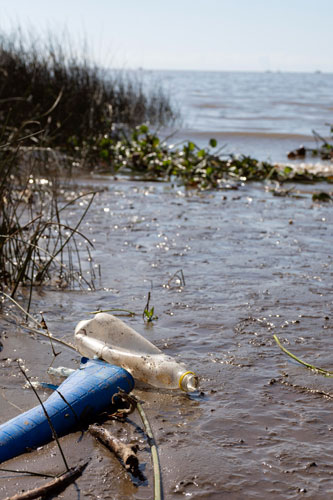
Monsoon dust adds phosphates that feed algae. Without proper weekly testing and adjustment, cloudy water persists despite adequate chlorine levels.
Green Water and Algae
Algae growth indicates insufficient sanitizer or imbalanced chemistry. Cyanuric acid above 100 ppm locks up chlorine and prevents effective sanitization. Phosphate levels above 500 ppb provide nutrients for algae growth.
Prevention through consistent weekly maintenance is easier than treating algae outbreaks.
Scaling on Tiles and Equipment
White or gray deposits on tiles, salt cells, and heaters indicate calcium scaling. This occurs when calcium hardness exceeds 400 ppm or when pH exceeds 7.8.
Scale damages equipment and reduces efficiency. Pool heater repair and pump repairs often trace back to scale buildup from poor water chemistry.
Corrosion and Equipment Damage
Low pH or low calcium hardness creates corrosive water. This etches plaster, corrodes metal fittings, and damages equipment. Copper fittings release ions that stain pool surfaces green.
Replacing corroded equipment costs thousands of dollars. Proper water balance prevents this damage.
How Professional Testing Makes a Difference
Home test strips measure basic parameters but lack precision. They cannot calculate the saturation index or detect subtle imbalances that lead to problems.
Professional testing uses electronic photometers to measure chemical levels with laboratory accuracy. This data feeds into algorithms that calculate the saturation index and recommend precise chemical adjustments.
Certified pool operators (CPO) receive specialized training in water chemistry. They understand how Tucson’s climate affects pools differently from pools in other regions. This expertise prevents problems that less-trained technicians might miss.
Seasonal Considerations for Tucson Pools
Summer Challenges
High temperatures increase evaporation and concentrate minerals. Swimmers add oils, sunscreen, and organic matter. Chlorine depletes faster under intense UV exposure.
Weekly testing becomes critical during the summer months. Daily chlorine checks help maintain proper sanitization between service visits.
Monsoon Season
Dust storms dump phosphates and debris into pools. Heavy rain dilutes chemistry and lowers chlorine levels. Without prompt rebalancing, algae blooms develop quickly.
Winter Maintenance
Cooler temperatures slow chemical reactions and reduce chlorine demand. However, heaters still need balanced water to operate efficiently. Leak detection becomes important because subtle leaks become more apparent as evaporation rates drop.
When to Call a Professional
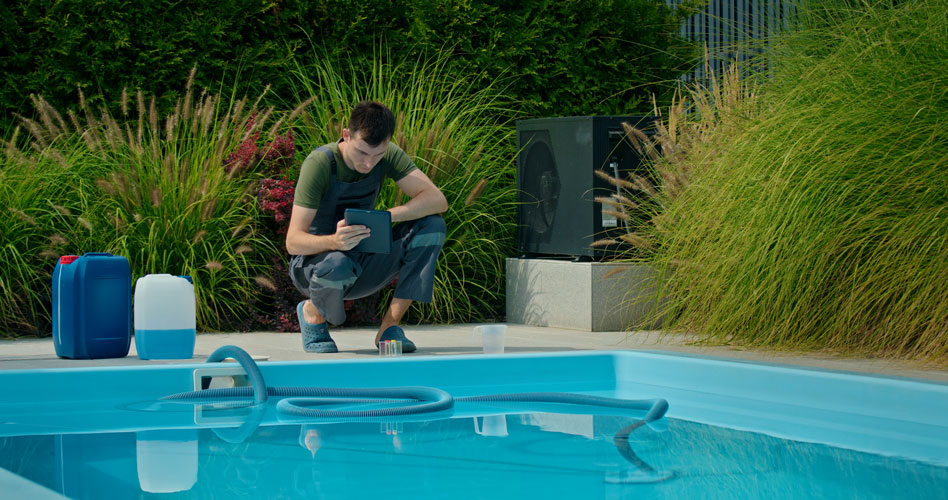
Water chemistry problems have cascading effects. A slight imbalance today becomes a significant issue within weeks. Professional pool services catch problems early through consistent testing and proactive adjustments.
If you notice cloudy water, scaling, equipment problems, or difficulty maintaining chlorine levels, contact a certified pool service for a comprehensive water analysis. Attempting to fix complex chemical problems without proper testing often makes the situation worse.
The Value of Consistent Testing
Perfect pool water requires more than adding chlorine once a week. It requires understanding how multiple factors interact in Tucson’s unique climate. Multi-factor testing with saturation index calculations provides the precision needed to maintain balanced water and protect your investment.
Owner-led pool services that prioritize water chemistry expertise deliver peace of mind. You know your pool receives the same careful attention at every visit, backed by certified training and computerized analysis. That’s the difference between basic pool care and service you can count on.